
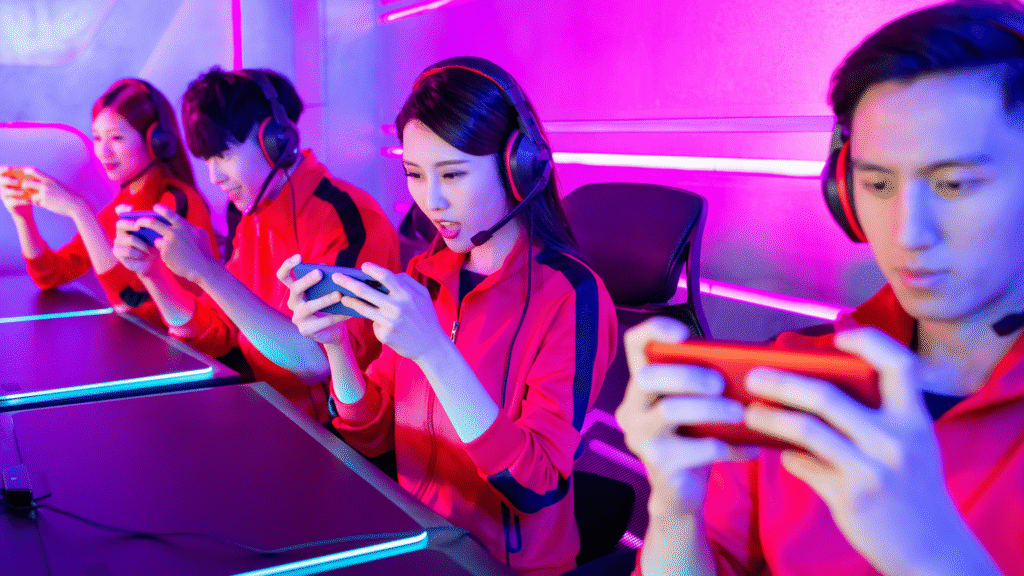
Casual and competitive players differ mainly in their approach to gaming and commitment level. While casual players focus on enjoyment and relaxation, competitive players prioritize skill improvement, strategy, and winning. This distinction affects how they spend time, learn, and interact within the gaming community.
The key difference lies in motivation: competitive players are driven by goals, mastery, and competition, whereas casual players seek entertainment and social engagement without intense pressure. This fundamental contrast shapes their gaming habits, choices of games, and investment in practice or tournaments.
Understanding what separates these two groups helps explain the diverse experiences within gaming culture. It also provides insight into why some players push for excellence while others play primarily for fun.
Key Differences Between Casual and Competitive Players
Casual and competitive players differ mainly in their goals, skill development, and how much time they dedicate to gaming. These distinctions affect their approach and mindset during gameplay.
Motivation and Play Style
Casual gamers often play for relaxation or social reasons. Their focus lies in enjoying the experience without pressure to win. This leads to flexible strategies, experimenting with different playstyles, and lower emphasis on efficiency.
Competitive players prioritize winning and improvement. Their gameplay is goal-driven, often involving deliberate tactics and minimizing mistakes. They tend to have a more aggressive or optimized playstyle to gain advantages quickly.
The motivation influences decision-making. Casual players accept mistakes as part of the fun, while competitive players actively analyze failures to refine skills and strategies.
Skill Level and Game Knowledge
Competitive gamers usually have a higher skill level. They learn game mechanics in depth, understanding nuances like damage calculations, map control, and meta shifts. This expertise allows better anticipation of opponents’ moves.
Casual players possess general game knowledge and rely on basic tactics. Their skill growth is slower because they play sporadically or focus less on mastery. They may not stay updated on patches or competitive trends.
Competitive players train to execute precise actions under pressure, while casual players maintain sufficient skills for enjoyable play without requiring perfection.
Time Commitment and Practice
Competitive players dedicate significant hours to training, often followed by reviewing gameplay to identify mistakes. This consistent practice builds muscle memory and strategic awareness necessary for high-level play.
Casual players engage with games intermittently, balancing gaming with other activities. Their sessions are shorter and less structured, focusing on leisure rather than improvement.
The difference in time investment shapes performance gaps. Competitive players treat gaming as a serious endeavor, while casual players consider it entertainment with less need for routine practice.
Game Types and Popular Titles
Different player types tend to favor specific genres and titles based on their goals and play styles. Casual players often look for relaxing or social experiences, while competitive players focus on skill-based, fast-paced games with clear rankings and tournaments.
Games Favored by Casual Players
Casual players often prefer games that emphasize fun, creativity, or social interaction without heavy pressure. Titles like Stardew Valley and Minecraft provide open-ended gameplay, allowing players to explore or build at their own pace. These games are especially popular on platforms like the Nintendo Switch, known for accessible, family-friendly titles.
Party games and RPGs with approachable mechanics are also common among casual players. They enjoy games that can be shared easily with friends, offline or online, without needing high-end gaming PCs. The emphasis is on relaxation and enjoyment over mastery or competition.
Popular Competitive Games
Competitive players gravitate toward games that challenge skills and offer structured competition. Titles such as League of Legends, Rocket League, and Fortnite dominate the esports scene. These games feature ranking systems, regular tournaments, and require strategic thinking and fast reflexes.
Online gaming environments and gaming PCs often play a critical role in competitive gaming, providing necessary performance and connectivity. The skill gap and the drive to improve distinguish competitive players, who invest time mastering mechanics and teamwork to climb leaderboards.
Community and Social Interaction
Community and social interaction shape how casual and competitive players experience gaming. The connections they form, the environments they engage in, and how they participate in group activities vary widely depending on their level of play.
Community Dynamics and Division
Casual players often engage with broader gaming communities that emphasize accessibility and fun. These communities include forums, social media groups, and in-game chats where players share tips, stories, and memes. The focus is on enjoyment rather than intense competition.
Competitive players tend to be part of more specialized groups centered around rankings, skill improvement, and tournament preparation. These communities can be more exclusive, with discussions revolving around meta strategies, training schedules, and upcoming esports events. The division is notable as competitiveness introduces different social norms and expectations.
Social Gaming and Group Play
Casual players usually prefer informal social gaming experiences, such as cooperative gameplay with friends or family in virtual worlds. Their sessions are often spontaneous and geared towards relaxation and entertainment without stringent performance pressures.
Competitive players approach group play with practice routines and team coordination essential to achieve high-level success. Teams often train extensively to refine tactics, communication, and timing. Social interaction in this context supports performance optimization rather than casual fun.
Streaming, Esports, and Spectatorship
Streaming platforms like Twitch provide a shared social space where both casual and competitive players can engage with audiences. Casual players may stream for fun, focusing on interaction and community-building rather than professional goals.
Competitive players heavily rely on streaming to showcase skills, gain sponsorships, and build fanbases. Esports tournaments with large prize pools increase spectatorship, which fuels the competitive scene’s social and financial ecosystem. Spectatorship creates a community united by high-stakes competition and entertainment.
Industry Impact and Future Trends
The divide between casual and competitive players shapes how games are developed, the technology used, and the experiences offered. These factors influence the gaming industry’s approach to attracting and retaining different types of players.
Developer Design and Support
Game developers increasingly tailor features to serve both casual and competitive audiences. They implement scalable difficulty settings, ranked modes, and matchmaking systems to balance accessibility with challenge. Frequent updates and balance patches target competitive integrity, while casual modes emphasize fun and progression without pressure.
Monetization models reflect this split, with cosmetic-only purchases favored by competitive players who seek fairness. Meanwhile, casual players often respond to broader content expansions, such as new storylines or easier unlock paths. Developers rely on player feedback and telemetry to adjust game balance and ensure longevity across diverse player bases.
Technological Advancements
Advances in gaming PCs and cloud technology allow for smoother, more precise gameplay that competitive players demand. Hardware improvements, like higher refresh rates and reduced input lag, directly impact competitive performance.
Virtual reality is bridging these player types by immersing casual users while offering competitive gamers new skill-based challenges. Game engines now support dynamic rendering and network code optimization to reduce latency and maintain fairness. These innovations drive industry investment toward deeper competitive scenes without alienating casual participants.
Evolving Player Experiences
The gaming industry creates distinct experiences to meet different player goals. Casual players benefit from social hubs, cooperative missions, and accessible UI designs. Competitive players experience tighter mechanics, leaderboards, and tournament integration.
Cross-platform play has become essential, ensuring players on different systems can compete or collaborate. Esports growth fuels excitement around competition but also inspires casual engagement through spectator modes and community events. Games now blend narrative and competition, catering to evolving player expectations across genres.