
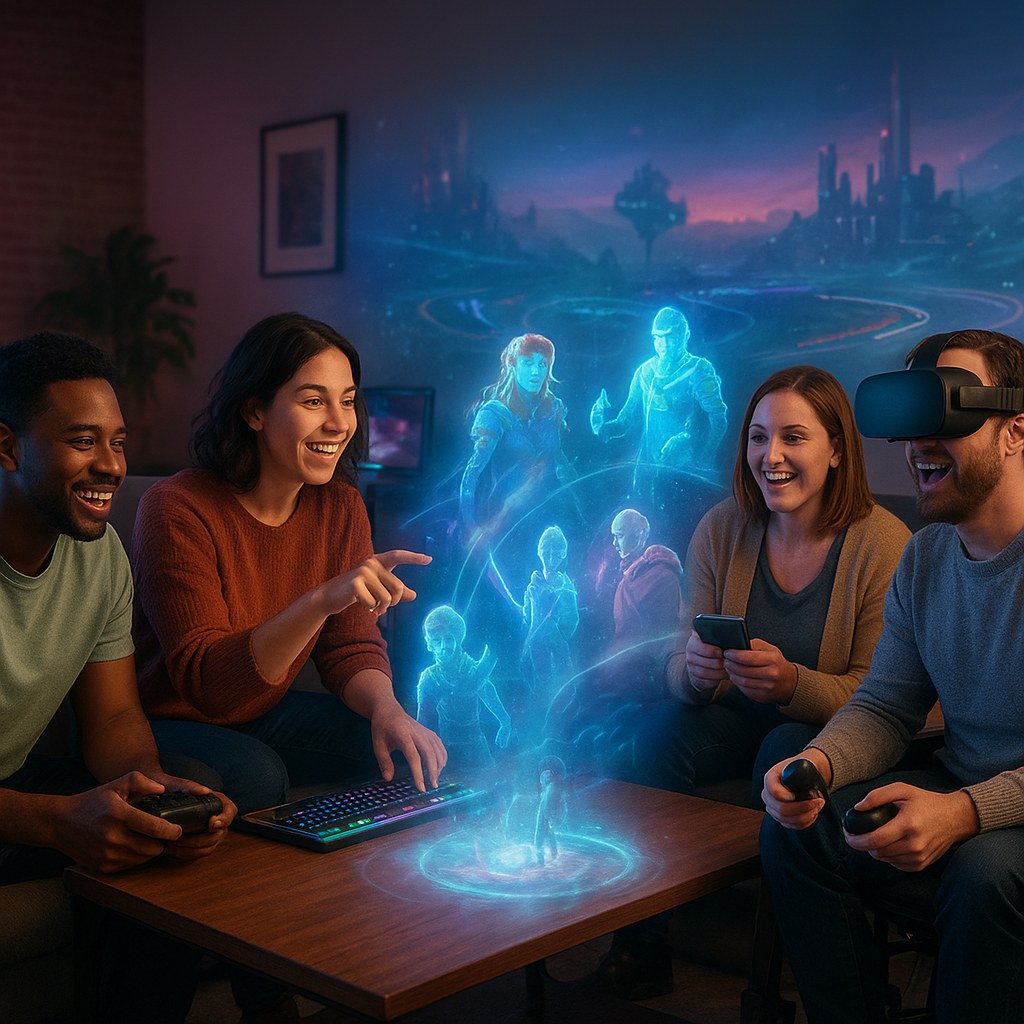
Remember when buying a game meant locking yourself into the same console ecosystem as your friends? Those days are rapidly disappearing. Cross platform play—often called crossplay—has fundamentally transformed how gamers connect, compete, and build communities across previously impenetrable hardware boundaries.
What started as a technical experiment has become the defining feature of modern multiplayer gaming. From battle royales to cooperative adventures, the ability to play with anyone regardless of their chosen platform has created the largest, most diverse gaming communities in history. This shift represents more than just convenience; it’s a complete reimagining of what a gaming community can be.
The Technical Breakthrough That Changed Everything
Cross platform play enables gamers using different hardware—PlayStation, Xbox, Nintendo Switch, PC, and mobile devices—to inhabit the same digital spaces simultaneously. This wasn’t always possible. For decades, console manufacturers maintained closed ecosystems, viewing multiplayer networks as exclusive clubhouses that justified hardware purchases.
The dam broke around 2018, when Fortnite accidentally enabled crossplay between PlayStation 4 and Xbox One for a brief weekend. The overwhelmingly positive player response forced Sony’s hand, and the industry hasn’t looked back. Today, major titles like Call of Duty: Warzone, Apex Legends, Minecraft, and Rocket League treat crossplay as a standard feature rather than a luxury.
The Infrastructure Behind the Magic
Modern crossplay relies on sophisticated middleware solutions and standardized APIs that translate different network architectures into a common language. Developers now build games using platform-agnostic backends, allowing Xbox Live, PlayStation Network, Steam, and Epic Games Store users to share servers seamlessly.
Cloud gaming has accelerated this trend. Services like Xbox Cloud Gaming and NVIDIA GeForce Now blur hardware distinctions further, turning crossplay into “cross-device” play. Your smartphone, laptop, and console can now access identical game instances, making platform identity almost irrelevant.
How Cross Platform Play Reshapes Gaming Communities
The most profound impact of crossplay isn’t technical—it’s sociological. Gaming communities have evolved from hardware-specific tribes into unified player bases organized around shared interests rather than shared equipment.
Dissolving the Hardware Barriers
Before crossplay, friend groups faced an awkward tax: everyone had to buy the same $500 console to play together. This created artificial social fragmentation. College roommates with different systems couldn’t squad up. Siblings across the country couldn’t cooperate unless they coordinated purchases.
Crossplay eliminated these friction points. Communities now form organically around games themselves, not hardware allegiances. Reddit discussions and Discord servers for titles like Destiny 2 or Final Fantasy XIV treat platform as a footnote rather than a defining characteristic. The question shifted from “What do you play on?” to “What’s your username?”
Larger Player Pools, Healthier Ecosystems
Small player bases kill multiplayer games. Before crossplay, niche titles on specific platforms often died within months because matchmaking queues stretched into eternity. Cross platform play merged these fragmented audiences into sustainable ecosystems.
Consider Sea of Thieves. When Rare added crossplay between Xbox and PC in 2018, the game’s community stabilized dramatically. Queue times dropped from minutes to seconds. More importantly, the game developed a persistent culture because players stopped worrying about platform population decline. The community could focus on creating content, organizing events, and mentoring newcomers rather than recruiting platform-specific players to keep servers alive.
The Rise of Unified Gaming Identities
Cross progression—where your unlocks, purchases, and achievements follow you across platforms—has become the natural companion to crossplay. Games like Fortnite and Genshin Impact treat your account as platform-agnostic. This creates stronger community bonds because your identity remains consistent whether you’re playing on a console at home or a mobile device during a commute.
This persistence encourages deeper investment. Players invest in battle passes and cosmetic items knowing they’ll retain access across devices. Communities benefit because experienced players stick around longer, creating stable social structures and mentorship opportunities that transcend individual gaming sessions.
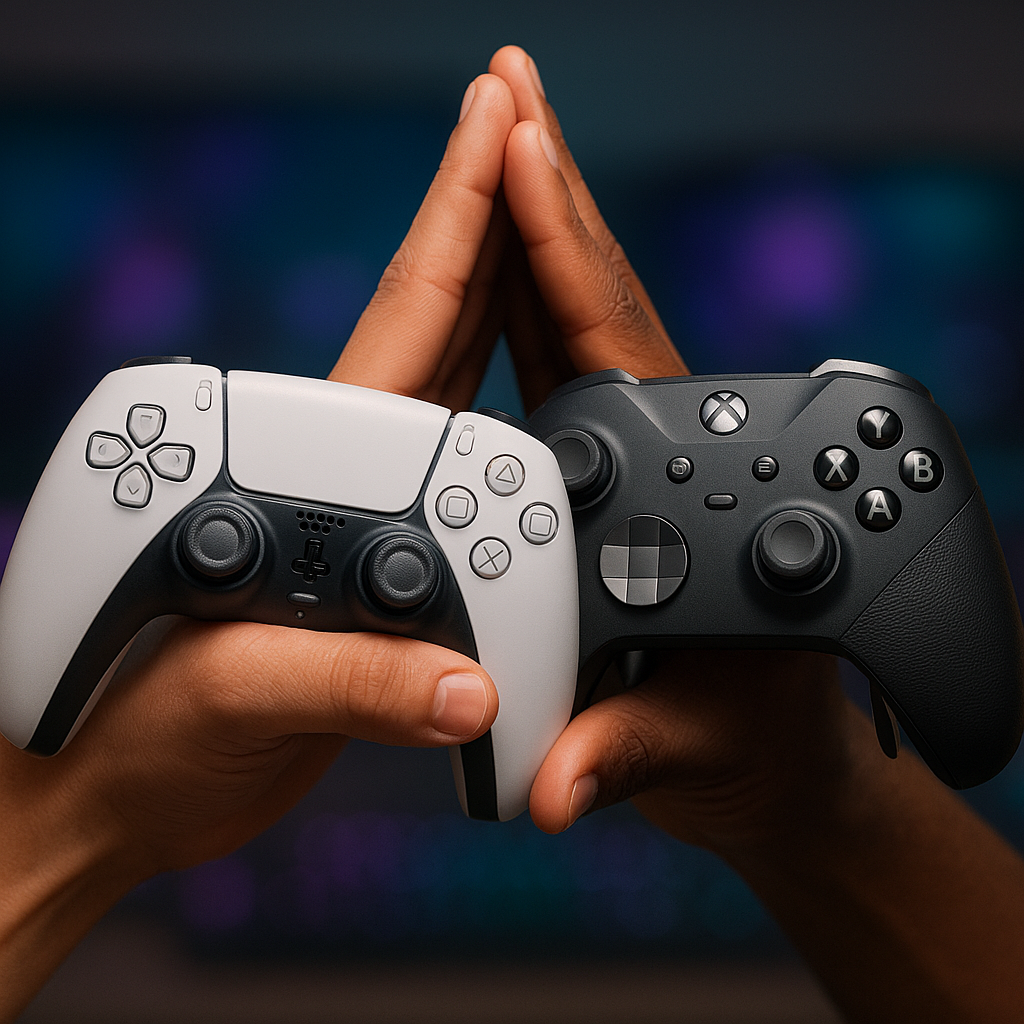
Are Most Modern Games Cross-Platform?
The short answer: not yet, but the industry is heading that direction rapidly. As of 2024, approximately 60-70% of major multiplayer releases include some form of crossplay functionality, though implementation quality varies significantly.
First-party Nintendo titles remain notable holdouts, and some competitive shooters disable crossplay by default due to input method concerns. However, the trajectory is unmistakable. Sony, once the staunchest crossplay opponent, now promotes the feature in PlayStation marketing. Microsoft has made crossplay central to its “play anywhere” philosophy.
Indie developers increasingly view crossplay as essential for survival. With smaller marketing budgets, they cannot afford to fragment their audience across four different platforms. Tools like Epic Online Services and PlayFab have democratized crossplay implementation, making it accessible to studios without massive engineering teams.
The Competitive Balance Question
One of the most persistent debates in crossplay communities concerns competitive integrity, particularly regarding the perceived advantages of PC gaming setups.
Do PC Gamers Have an Advantage in Crossplay?
The data suggests yes—but with important caveats. PC gamers typically benefit from higher frame rates, customizable field-of-view settings, and the precision of mouse-and-keyboard controls. In first-person shooters, these advantages are measurable. Studies of Call of Duty crossplay matches show PC players averaging 15-20% higher accuracy rates than controller users in long-range engagements.
However, modern games employ sophisticated input-based matchmaking. Apex Legends, for instance, prioritizes matching controller players with controller players, only mixing input methods when queue times would otherwise suffer. Many titles also offer aim assist for controller users to level the playing field.
The communities themselves have adapted. Console players in competitive scenes often disable crossplay during ranked play, while casual modes embrace mixed input lobbies. This self-sorting has created distinct community subcultures: the “mixed input” casual community and the “input-pure” competitive community.
The 20 Rule in Gaming
You might encounter references to the “20 rule” or “80/20 rule” in gaming discussions about crossplay balance. This principle suggests that roughly 20% of players generate 80% of the competitive pressure or community content. In crossplay contexts, this often manifests as a vocal minority of elite PC players dominating leaderboards while the majority of casual console players enjoy the social benefits without caring about the competitive gap.
Understanding this dynamic helps communities set appropriate expectations. Crossplay works best when developers recognize that most players prioritize social connection over pixel-perfect competitive balance.
Demographic Shifts and Inclusive Communities
Crossplay has coincided with a broader diversification of gaming demographics. The barrier-lowering effect of platform-agnostic play has opened doors for previously excluded groups.
Are 48% of Gamers Girls?
This statistic circulates frequently, and while it varies by study and methodology, the core finding holds: women represent approximately 45-48% of the gaming population when including mobile and casual platforms. Crossplay has accelerated gender diversification in traditionally male-dominated genres by reducing the intimidation factor of platform-specific communities.
When a player can join a Fortnite squad from their phone without owning a “gaming PC,” the cultural barriers to entry drop significantly. Crossplay communities tend to be more diverse because they’re not predicated on owning specific, often expensive, hardware historically marketed to young men. This diversity strengthens communities by bringing varied perspectives to strategy discussions, content creation, and community governance.
Challenges and Friction Points
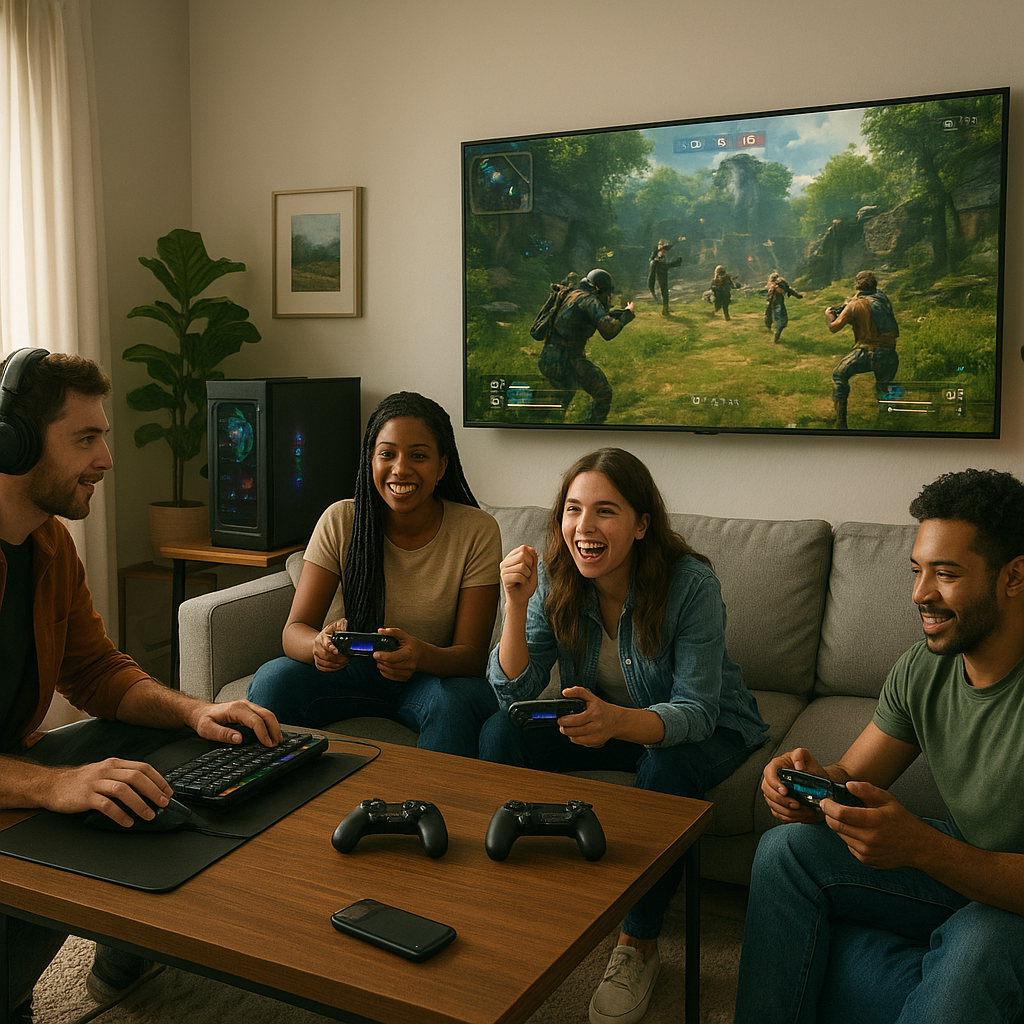
Despite its benefits, crossplay introduces unique community challenges that developers and players are still learning to navigate.
The Communication Divide
Platform ecosystems have different social features. Xbox players use Xbox Party Chat; PlayStation users have their own system; PC gamers might prefer Discord. When these groups meet in crossplay, communication fragmentation occurs. In-game voice chat quality varies, and some players refuse to use it due to toxicity concerns.
Successful crossplay communities often develop third-party solutions. Discord servers have become the de facto standard for cross-platform coordination, allowing players to form persistent social groups that exist outside any single game or platform ecosystem.
Content Parity and Update Schedules
Certification processes differ between platforms. A patch that deploys instantly on PC might require days of approval on consoles. This creates temporary “version splits” where crossplay must be disabled, frustrating communities mid-season.
Progressive developers have adopted simultaneous certification approaches, accepting delayed PC releases to maintain community cohesion. This “parity-first” strategy prioritizes keeping the community unified over getting content to one platform fastest.
The Future of Unified Gaming
Crossplay is evolving toward something more ambitious: the concept of the “metaverse” as a persistent, platform-agnostic social space. Games like Roblox and Fortnite already function as social platforms where the game itself is secondary to the community space it provides.
We’re approaching an era where “gaming platform” refers to your account identity rather than your hardware. Cloud saves, cross-progression, and universal friends lists are making the concept of “console wars” obsolete. Communities are becoming platform-agnostic tribes that migrate together between games, maintaining social bonds regardless of which publisher publishes their next favorite title.
The next frontier involves crossplay between traditional games and emerging platforms. Virtual reality and augmented reality present new compatibility challenges, but early experiments like Rec Room demonstrate that communities can form across VR headsets, PCs, and mobile devices simultaneously.
Building Better Crossplay Communities
Whether you’re a developer or a community manager, several best practices can maximize crossplay’s community-building potential:
- Implement input-based matchmaking: Allow players to opt into mixed-input lobbies while providing pure-input options for competitive play.
- Prioritize cross-progression: Nothing frustrates communities more than fragmented progression systems that punish platform switching.
- Invest in robust communication tools: Cross-platform voice chat and text systems reduce reliance on third-party apps.
- Standardize reporting systems: Toxic behavior shouldn’t go unpunished because the perpetrator is on a different platform.
- Celebrate platform diversity: Community events and esports broadcasts should highlight the variety of ways players engage with your game.
Conclusion
Cross platform play has evolved from a technical novelty into the foundation of modern gaming communities. By removing artificial hardware barriers, it has enabled larger, more diverse, and more resilient player bases than ever before. While challenges around competitive balance and communication persist, the overwhelming trend points toward a future where your gaming community is defined by shared interests and friendships—not by the logo on your console.
As developers continue refining crossplay implementation and players increasingly expect it as a standard feature, gaming communities will become even more interconnected. The walls between platforms are crumbling, and in their place, we’re building something better: unified spaces where anyone can play with anyone, anywhere.