
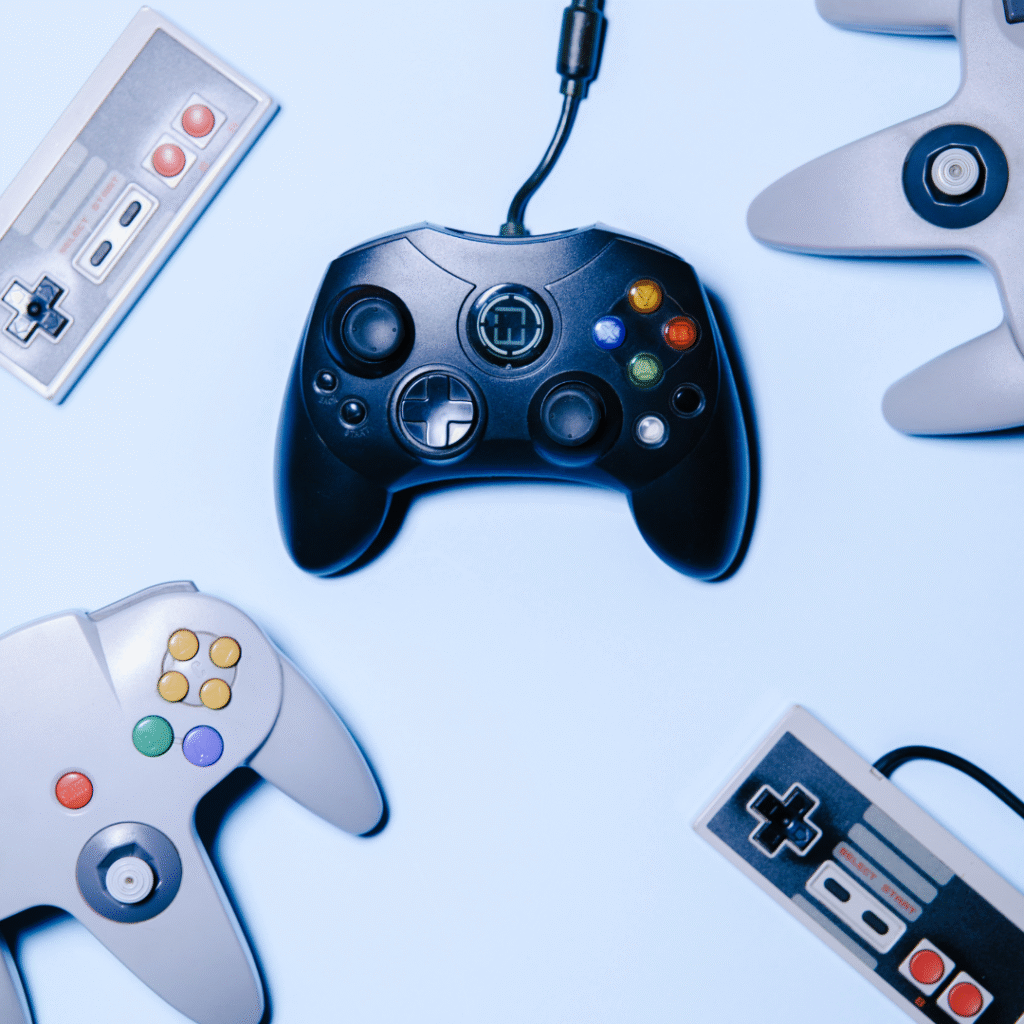
Retro gaming has gained popularity among enthusiasts and newcomers alike, inviting many to rediscover the joys of classic video games. To get started with retro gaming, individuals can choose between original hardware, emulators, or dedicated retro consoles, each offering a unique experience. This journey not only taps into nostalgia but also introduces players to the foundational titles that shaped the gaming industry.
For beginners, familiarizing oneself with iconic consoles like the NES or Sega Genesis is crucial. Exploring popular games from these systems provides insight into the evolution of gameplay mechanics and storytelling. Additionally, many online communities and resources support retro gamers, offering tips and recommendations on where to find games and hardware.
As players dive into retro gaming, they often find a sense of connection to the past and a shared experience with a broader community. Acquiring knowledge about different genres and systems enriches the overall gaming experience and helps preserve this important piece of entertainment history.
Choosing Your Retro Gaming Platform
When starting with retro gaming, selecting the right platform is crucial. Players can choose between original hardware and emulation, as well as various classic consoles and handheld devices. Each option has its advantages and caters to different preferences.
Original Hardware vs. Emulation
Original hardware provides an authentic gaming experience. Classic consoles like the Atari 2600, NES, Sega Genesis, and Super Nintendo are sought after by collectors and enthusiasts. Each system retains its unique characteristics, such as controllers and graphics.
Emulation, on the other hand, allows users to play games from multiple systems on a single device. Emulators replicate the hardware, enabling gamers to access libraries from systems like the Sega Dreamcast or Game Boy. This option is often more convenient and affordable, but may lack the original feel.
Overview of Classic Consoles
Several classic consoles deserve attention due to their impact on gaming. The Atari 2600 is one of the first home consoles, establishing gaming in living rooms. The Nintendo Entertainment System (NES) revolutionized the industry, introducing iconic titles like “Super Mario Bros.”
The Sega Genesis offers a different gaming experience with fast-paced action and memorable titles, such as “Sonic the Hedgehog.” The Super Nintendo (SNES) boasted enhanced graphics and audio, along with classics like “The Legend of Zelda: A Link to the Past.” Each console has unique features that shape the gaming experience.
Handheld Gaming Options
Handheld gaming devices provide portability and nostalgia. The Game Boy changed mobile gaming with its simple design and extensive game library. Players can enjoy iconic titles like “Tetris” and “Pokémon” on the go.
Other options, such as the Nintendo DS, offer more advanced graphics and gameplay. Handheld emulation devices are also popular, allowing gamers to experience a variety of retro titles without the bulk of original hardware. Choosing a handheld option can cater to gamers who value convenience and flexibility.
Setting Up and Accessing Retro Games
Setting up and accessing retro games requires an understanding of emulation, ROMs, and legal considerations. This section provides essential details for anyone looking to dive into classic gaming.
Finding and Using ROMs
ROMs are digital copies of games that can be played on emulators. They can be found on various websites, but it’s crucial to locate sources that are reputable and safe.
Common sites include:
- Archive.org: A collection of games and software.
- Emuparadise: A well-known ROM archive (check current site status).
- Reddit communities: Forums often share safe links.
Downloading ROMs typically involves extracting files from compressed formats like .zip or .rar. After extracting, users should ensure the file format is compatible with their chosen emulator.
Emulator Software Essentials
Emulators mimic the hardware of classic consoles, allowing users to run their favorite games on modern devices. Popular emulators include:
- ZSNES for Super Nintendo games.
- MAME for arcade classics like Pac-Man and Space Invaders.
- Nestopia for Nintendo Entertainment System (NES) titles.
Installation usually involves downloading the software from official sites. Users must configure the emulator settings, including graphics and controls, to optimize the gameplay experience. Many emulators allow users to customize controls for different gaming styles.
Legal Considerations
Understanding the legal landscape around emulation and ROMs is vital. ROM files are typically copyrighted material. Downloading or distributing ROMs of games that one does not own is illegal in many jurisdictions.
Some safe practices include:
- Using homebrew ROMs or those explicitly labeled as public domain.
- Creating backups of games legally owned.
Staying informed on copyright laws helps avoid legal issues and supports the retro gaming community.
Getting Started with Popular Games
Many classic games serve as excellent starting points for retro gaming. Titles like Tetris, Pac-Man, and Super Mario Bros. are iconic and widely available.
To start playing:
- Choose an emulator based on the console of the desired game.
- Download the ROM of the game.
- Load the ROM into the emulator.
Familiarizing with these games allows players to appreciate the history of gaming while enjoying the simplicity of classic gameplay mechanics. Each title offers a unique experience, reflecting the gaming culture of its time.
Exploring Genres and Building Your Collection
Retro gaming offers a diverse array of genres and iconic titles that shaped the industry. By focusing on essential games and understanding where to acquire them, collectors can build a fulfilling and valuable collection.
Must-Play Titles and Franchises
Certain franchises are pivotal in any retro gaming collection. Titles like Super Mario Bros. and The Legend of Zelda on the Nintendo Entertainment System (NES) remain classics.
- Super Nintendo (SNES): Super Mario World and Legend of Zelda: A Link to the Past are benchmarks in design and gameplay.
- Sega Genesis: Sonic the Hedgehog and Streets of Rage showcase the platform’s strengths.
- Game Boy: Tetris and Pokémon Red/Blue defined handheld gaming experiences.
These titles not only represent the evolution of gaming but are also highly regarded by fans and collectors alike.
Fighting Games and Other Classic Genres
Fighting games hold a special place in retro gaming culture. Titles like Street Fighter II and Mortal Kombat revolutionized the genre.
- Arcade Cabinets: Original arcade versions are often sought after.
- Modern Consoles: They were later ported to systems like the Sega Genesis and SNES, broadening their accessibility.
Other classic genres include platformers, RPGs, and sports games. Games like Castlevania and NBA Jam provide a variety of experiences that resonate with many players.
Sourcing Physical and Digital Games
Acquiring retro games can be done through various channels.
- Physical Stores: Local game shops, flea markets, and auction sites often carry a range of titles.
- Online Marketplaces: Websites like eBay, Amazon, and specialized gaming sites offer extensive collections.
Digital options are available too. Services such as the Nintendo eShop and PlayStation Store provide access to emulated classics. Collectors should check for the authenticity and condition of physical titles to ensure a worthwhile investment.
Discovering the History and Community of Retro Gaming
Retro gaming is rooted in nostalgia and has fostered a vibrant community of enthusiasts. Understanding this history can enhance one’s appreciation and engagement in the retro gaming scene.
Evolution of Retro Consoles
The evolution of retro consoles began in the 1970s with systems like the Magnavox Odyssey. This marked the start of home gaming by introducing simple graphics and gameplay. The late 1980s saw the rise of iconic systems such as the Nintendo Entertainment System (NES) and the Sega Genesis.
These consoles brought advanced graphics and sound, significantly enhancing the gaming experience. They also introduced legendary titles that remain popular today. Collectors often seek these consoles for their historical value and the classic games they hosted.
In the early 2000s, re-releases and mini consoles revived interest in these classic systems. Companies are now offering updated versions of retro consoles, making them accessible for new generations while appealing to long-time fans.
Impact of Iconic Games
Iconic games have shaped the landscape of retro gaming and influenced countless developers. Titles like Super Mario Bros., The Legend of Zelda, and Pac-Man set the standard for gameplay and storytelling.
These games evoke a sense of nostalgia that resonates with many players today. They serve as both entertainment and cultural artifacts, often referenced in modern games. The artistic and technical choices made in these classics laid the foundation for contemporary gaming design.
Even years after their release, many people still enjoy playing these titles, keeping them alive through fan remakes or online emulators. They are celebrated in gaming forums and often featured in community events.
Connecting with Other Retro Gamers
Connecting with other retro gamers can enhance the experience of this hobby. Forums and social media groups dedicated to retro gaming are abundant. Players share tips, reviews, and personal experiences, which help forge a sense of community.
Local gaming events and conventions are excellent ways to meet fellow enthusiasts. These gatherings often include tournaments, panel discussions, and displays of vintage consoles and games.
For those seeking exclusive items, joining online marketplaces or local game shops can be rewarding. Many collectors share their finds and seek trades, fostering camaraderie among retro gaming aficionados. These interactions can create meaningful connections built around shared interests in classic games and consoles.