
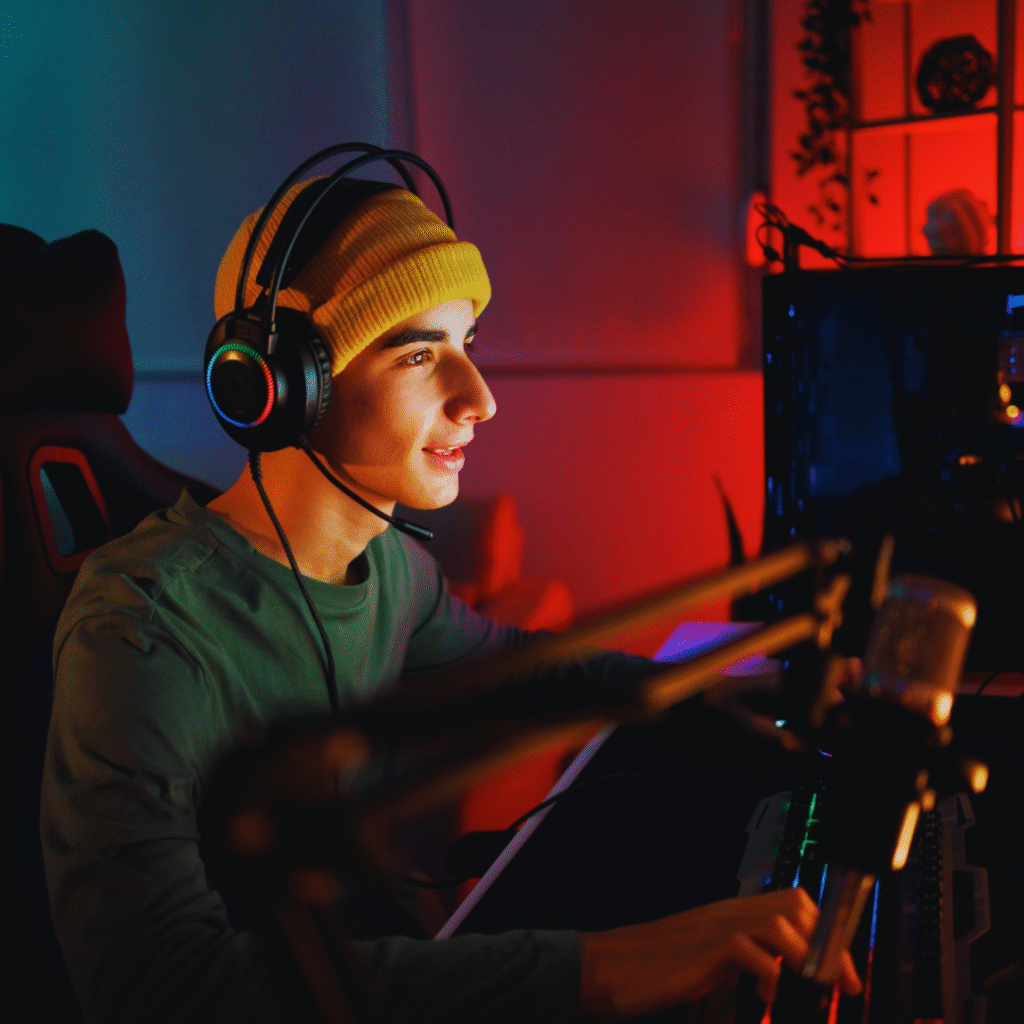
The rise of streaming platforms has fundamentally changed the landscape of gaming, creating new opportunities for both players and viewers. Streamers are not just entertainers; they are influencers who shape gaming trends, community engagement, and even the gaming industry itself. As gaming content becomes increasingly accessible, the role of streamers continues to evolve, impacting game development, marketing strategies, and player interactions.
Streamers attract large audiences by showcasing gameplay in real-time, providing commentary, and building communities around shared interests. This interaction fosters a sense of belonging among viewers, leading to a culture where fans feel directly connected to the games and streamers they love. The dynamic nature of streaming allows for immediate feedback, prompting game developers to adapt quickly to audience preferences.
In this environment, streamers wield significant power in promoting games or highlighting issues within the industry. They can launch indie titles into the spotlight or influence purchasing decisions on a grand scale. As their platforms grow, so does their capacity to reshape the way games are produced, marketed, and experienced.
The Rise of Game Streaming and Streaming Platforms
Game streaming has transformed the gaming landscape, creating new opportunities for content creators and audiences alike. Streaming platforms have emerged as essential tools for gamers to share experiences, connect with communities, and build careers.
Live Streaming’s Impact on the Gaming Industry
Live streaming has redefined how audiences interact with video games. Gamers now watch others play in real-time, leading to increased engagement and community building.
This real-time interaction fosters a sense of connection and immediacy. Viewers can ask questions and influence gameplay, creating a participatory experience.
As a result, major titles often see spikes in player engagement and sales following high-profile streams. The immediacy of live broadcasting turns casual viewers into potential gamers, effectively expanding the gaming audience.
Key Platforms: Twitch, YouTube, and Emerging Competitors
Twitch remains the dominant player in the game streaming sector. It offers a user-friendly interface tailored to gamers and provides features like subscriptions and donations.
YouTube and YouTube Gaming have positioned themselves as key competitors, benefiting from their vast user base and video-on-demand capabilities. They attract gaming content creators looking for monetisation options and reach wider audiences.
Emerging platforms such as Facebook Gaming and Trovo are also gaining traction. These services cater to niche markets and offer unique monetisation methods. Each platform has distinct features that appeal to different types of content creators and viewers.
How Gaming Content is Evolving with Streaming
Streaming has led to innovative content formats that keep audiences engaged. Let’s explore a few examples:
- Speedruns: Players complete games as quickly as possible, showcasing skill and precision.
- Game Reviews and Tutorials: Creators offer insights and strategies, helping viewers improve.
- Esports Broadcasting: Professional tournaments are streamed live, drawing large audiences and significant sponsorships.
These formats illustrate the diverse avenues available for content creation. As streamers experiment with new ideas, gaming content continues to evolve, incorporating user feedback and trends.
Transforming Community Dynamics and Audience Engagement
Streamers are reshaping how gamers interact and engage with each other. They create unique fan communities that thrive on social connection and inclusivity. The impact of social media also plays a significant role in transforming audience dynamics.
Building and Sustaining Fan Communities
Streamers cultivate fan communities through consistent interaction and shared experiences. Platforms like Twitch and Discord allow fans to engage directly with streamers in real-time. This interaction fosters a sense of belonging, making fans feel part of something larger.
Key Methods:
- Live Chat: Instant feedback and interaction during streams.
- Community Events: Organised tournaments or game nights strengthen bonds.
These efforts lead to sustained engagement, ensuring fans return for more and even participate in community-driven content.
The Role of Social Media in Gaming
Social media platforms like Instagram and TikTok serve as essential tools for streamers to extend their reach. They share clips, highlights, and updates, engaging audiences beyond live streams.
Impact of Social Media:
- Increased Visibility: Streamers can access wider audiences through viral content.
- Cross-Platform Engagement: Fans engage with their favourite streamers across multiple channels, enhancing loyalty.
By utilising these platforms effectively, streamers enhance their relationship with existing fans and attract new viewers simultaneously.
Diverse Audiences and Inclusivity
The gaming community has become more inclusive through streamer-led initiatives. Many streamers prioritise diversity, representing various backgrounds and identities. This openness invites a broader range of individuals to join the community.
Key Aspects of Inclusivity:
- Representation: Streamers showcase different cultures and perspectives.
- Safe Spaces: Encouraging dialogue and promoting respectful interactions.
Such efforts boost viewer engagement, as audiences feel more seen and valued within these communities.
Mainstream Recognition and Global Reach
Many streamers are now gaining recognition beyond the gaming world. Major media outlets feature them, acknowledging their influence and contribution to pop culture. This recognition has expanded the global reach of gaming communities.
Outcomes of Mainstream Appeal:
- Sponsorship Opportunities: Increased interest from brands eager to collaborate.
- Cultural Events: Streamers are often invited to major conventions and expos.
These elements enhance the visibility of the gaming community, attracting attention from potential new fans and participants.
Innovation, Monetisation, and Professionalisation
Streamers are not only engaging audiences but also reshaping revenue models in the gaming industry. Through innovative monetisation strategies, professional partnerships, and enhanced analytics, they are turning gaming content into a viable career. Achieving significant viewer numbers is often a primary goal for streamers aiming for professional growth and increased monetisation opportunities. While organic growth is ideal, many find that strategic approaches are necessary to kickstart their presence or maintain momentum in a competitive landscape. For those looking to quickly establish a visible audience and enhance their stream’s appeal, leveraging specialized services can be a practical step. These solutions help streamers gain initial traction, making their channels appear more active and attractive to new organic viewers and potential brand partners. In this context, the ability to Buy Twitch Viewers can provide a foundational boost, helping channels achieve the initial visibility needed to attract a wider audience and secure sponsorships.
Monetisation Strategies for Streamers
Streamers utilise a variety of monetisation strategies to generate revenue. Common methods include:
- Subscriptions: Viewers pay a monthly fee for exclusive content or perks.
- Donations: Fans contribute directly through platforms like Twitch or YouTube.
- Ad Revenue: Streamers earn income from ads displayed during broadcasts.
Understanding these avenues allows streamers to tailor their content and grow their income effectively. The integration of viewer interaction deepens the connection, facilitating ongoing support from fans.
Sponsorships, Brand Partnerships, and Sponsored Content
Sponsorships play a key role in a streamer’s financial success. Brands recognise the value of influencer marketing and often partner with popular streamers to reach targeted audiences. These partnerships can include:
- Product Placement: Streamers showcase products during live streams.
- Dedicated Streams: Specific sessions focus entirely on a brand’s offerings.
Such collaborations can significantly boost visibility for both the streamer and the brand. The trust streamers build with their audience enhances the effectiveness of these campaigns.
Analytics and Influencer Marketing
Data analytics have become crucial in measuring a streamer’s impact. By utilising tools like:
- Viewer Engagement Metrics: Time spent watching, chat activity, and subscriber growth.
- Demographics: Insights on viewers’ age, location, and interests.
Streamers can adjust their content accordingly, enhancing viewer retention and attracting potential sponsors. Brands also rely on these analytics to assess effectiveness and decide on collaborations.
Emerging Revenue Streams and Independent Productions
The rise of independent productions has introduced new revenue streams for streamers. Many are exploring avenues like:
- Merchandise: Selling branded apparel and gaming accessories.
- Crowdfunding: Platforms like Patreon allow fans to support streamers in exchange for exclusive content.
These strategies not only diversify income but also strengthen community ties. With early access to games becoming more common, streamers can create unique content that appeals to their audience, further enhancing their professional landscape.
Shaping Competitive Gaming and Game Development
Streamers are significantly influencing competitive gaming and the game development process. Their engagement with audiences shapes how tournaments are organised and how games are created, providing valuable feedback and innovative insights.
Esports Tournaments and Competitive Gaming
Streamers play a crucial role in the esports ecosystem. They often participate in high-stakes tournaments, attracting numerous viewers and sponsors. Their presence raises the profile of competitive gaming, turning events into major spectacles.
Many tournaments capitalise on streamers’ fan bases, ensuring higher engagement and broader audience reach. Games like League of Legends and Dota 2 have seen substantial growth thanks to popular streamers. These events also contribute to player exposure, helping aspiring gamers gain recognition.
The Role of Streamers in Game Development and Early Access
Streamers contribute valuable feedback in early access game stages. Game developers often engage them to test new titles before full releases. Feedback from these influencers helps refine gameplay mechanics, balance, and overall user experience.
This collaboration allows developers to make real-time adjustments based on audience reactions. Titles such as Hades and Valheim benefited from streamer input during development, enhancing final products. Streamers also generate anticipation, driving pre-release hype.
Storytelling, Skill, and Coaching Opportunities
Streamers enhance storytelling within games by sharing their personal experiences. They create narratives around gameplay, making it relatable for their audiences. This storytelling broadens player engagement and fosters community interaction.
Moreover, streamers often showcase skills that can serve as learning tools. Their gameplay strategies may inspire viewers to adopt new techniques, improving overall player skill levels. Many streamers also take on coaching roles, offering advice to aspiring gamers, which further shapes the competitive landscape.
Technological Advancements and Free-to-Play Models
Technological advancements are central to the streaming phenomenon. High-quality streaming setups have become more accessible, enabling many to broadcast their gameplay expertly. This accessibility encourages more players to engage, fostering a vibrant online community.
Additionally, the free-to-play model has revolutionised access to games. Streamers often promote these titles, allowing players to experience games without financial commitment. Success stories like Fortnite demonstrate how streamers can drive player retention and participation in competitive gaming, benefiting developers and players alike.