
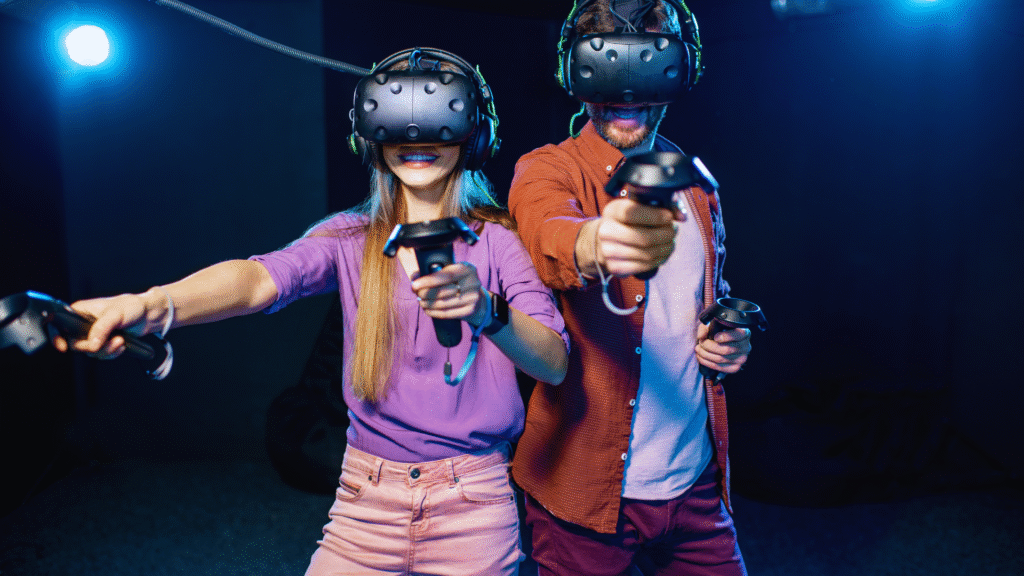
Gaming communities are changing rapidly as new technologies reshape how players connect and interact. Virtual reality, cloud gaming, and enhanced social platforms allow for more immersive and immediate experiences, bridging gaps between geographic locations.
These technologies enable communities to become more inclusive, dynamic, and interactive than ever before. Gamers now collaborate, compete, and communicate in ways that were not possible a few years ago, creating stronger bonds and shared experiences.
As innovation continues, these developments influence community structures, engagement methods, and the overall culture of gaming. Understanding this evolution reveals how technology drives the future of social play.
Transformative Technologies Shaping Gaming Communities
Gaming communities are increasingly interconnected through tools and innovations that influence how players interact, compete, and collaborate. These changes affect accessibility, engagement, and the social dynamics of popular online games.
Cross-Platform Play and Its Impact
Cross-platform play allows gamers on different devices—such as consoles, PCs, and mobile—to join the same multiplayer sessions. This technology reduces barriers, expanding player bases for titles like Call of Duty and Fortnite.
It fosters broader community interaction and competitiveness, as players no longer depend on a single platform to connect. Developers benefit by reaching diverse audiences, which strengthens the social element of online gaming. Cross-platform play also drives continuous updates and content sharing, enriching player experiences across ecosystems.
Cloud Gaming Breakthroughs
Cloud gaming removes the need for high-end hardware by streaming games directly from servers. This advancement lets users access demanding titles instantly on various devices, broadening participation in online gaming communities.
Services like Google Stadia and NVIDIA GeForce Now have made it easier for new players to join without expensive setups. Cloud gaming promotes inclusivity by lowering entry costs and enhances multiplayer engagement by offering smooth, real-time gameplay globally.
Real-Time Communication Tools
Effective communication is critical in multiplayer games and community building. Platforms like Discord provide voice, text, and video chat with low latency, enabling coordinated play and social interaction.
Games increasingly integrate these tools natively or through extensions, supporting squad strategies and event organization. Real-time communication maintains community bonds and improves teamwork, which is essential in competitive online gaming scenes.
AI Integration in Games
Artificial intelligence enhances game design and player interaction in multiple ways. AI-driven NPCs offer sophisticated behaviors, enriching gameplay environments, and challenges.
In gaming communities, AI assists with moderation, automating the detection of toxic behavior to maintain healthier spaces. AI also personalizes content and matchmaking, ensuring balanced and engaging multiplayer sessions. This integration improves both technological and social aspects of online games.
Immersive Experiences: VR, AR, and Beyond
New technologies are shifting how players interact in digital spaces. These tools create more engaging, sensory-rich environments. They enhance social connections beyond traditional online gaming formats.
Virtual Reality Communities
Virtual reality (VR) offers fully immersive environments where players can interact as avatars in 3D spaces. Games like VRChat and Minecraft’s VR mode enable users to explore, build, and socialize within virtual worlds.
These communities rely on VR headsets and motion controls to facilitate natural movements and gestures. This hardware improves presence, allowing players to experience emotions and social cues more directly.
VR also supports persistent worlds where players return regularly, fostering deeper relationships. The sense of shared space encourages collaboration and collective creativity, changing how gaming communities form bonds.
Augmented Reality Social Play
Augmented reality (AR) layers game elements onto the real world, blending physical and digital interactions. Titles like Pokémon GO set early examples by encouraging players to meet and play in actual locations.
AR games promote active social engagement and real-world exploration. Players often join teams or complete events together, increasing community involvement outside screen-based play.
Current AR technology advances include location-based multiplayer modes and real-time AR chats. This blend of virtual objects with real environments extends community life beyond conventional gaming setups.
Interactive Multiplayer Worlds
Interactive multiplayer worlds, both VR and non-VR, combine complex social systems with player-driven content. Games like Among Us and Minecraft enable players to create scenarios that foster trust, deception, or teamwork.
These worlds provide tools for voice communication, emotes, and role-play, enhancing interaction quality. The flexibility of these environments allows communities to develop unique cultures and customs.
Player creation and collaboration in these spaces lead to dynamic, evolving social experiences. They illustrate how gaming communities leverage technology to maintain engagement and variety over time.
Emerging Trends: Blockchain, In-Game Economies, and Decentralized Platforms
New technologies are reshaping how players engage, trade, and govern in gaming environments. These advances create novel opportunities for ownership, financial exchange, and community-driven control within gaming ecosystems.
Blockchain Technology and Gaming
Blockchain technology provides a transparent and secure way to record in-game assets and transactions. It ensures that digital items, such as skins or weapons, have verifiable scarcity and ownership.
This security reduces fraud and allows players to truly own what they purchase. Developers can implement smart contracts to automate transactions or rewards without intermediaries.
Blockchain also supports interoperability, enabling assets to be used across different games or platforms. This fosters long-term value for players and promotes broader gaming community collaboration.
Cryptocurrency and Player Ownership
Cryptocurrency integration allows gamers to buy, sell, or trade assets using decentralized digital currencies. This model gives players real financial stakes in virtual goods and economies.
Players can convert in-game rewards to cryptocurrencies, providing liquidity outside traditional marketplaces. This also introduces new revenue streams for content creators.
Ownership of assets is no longer tied solely to a game’s servers but verifiable on the blockchain. This enables secondary markets for rare items and promotes a player-driven economy that operates 24/7.
Decentralized Gaming Ecosystems
Decentralized platforms distribute control away from single companies, giving communities more influence over game development and rules. Governance is often conducted via tokens, allowing stakeholders to vote on updates or policies.
This democratization can enhance player trust and engagement by directly involving users in decision-making. Decentralized systems also reduce risks related to censorship or unilateral changes.
By creating open ecosystems, developers encourage innovation and competition among games and services. Players benefit from increased transparency and competitive content offerings.
Innovative In-Game Economies
In-game economies now leverage blockchain and cryptocurrencies to create complex financial systems. Players can earn, trade, or invest assets with real-world value.
These economies often include play-to-earn models, where participation generates income. Virtual land, NFTs, and tokenized items contribute to diversified economic activity inside games.
Developers design these economies to encourage sustained player engagement and community growth. Economic incentives align the interests of players and creators, creating dynamic and evolving marketplaces.
Esports, Content Creation, and the Expansion of Gaming Social Networks
The integration of competitive gaming, live content, and social platforms is reshaping how players connect and participate. These developments influence engagement by expanding access, creating diverse interaction forms, and enabling impactful community-led activities.
Esports Tournaments and Community Engagement
Esports tournaments are major hubs for building vibrant gaming communities. Events like Call of Duty and Fortnite championships draw millions of viewers, fostering real-time interaction through chat, social media, and streaming platforms.
Tournaments often include amateur brackets and open qualifiers, which help new players join the competitive scene. This structure supports community growth by offering clear pathways from casual play to professional competition.
Local and online tournaments increasingly use platforms such as Discord to coordinate players, share updates, and host discussions. This integration strengthens bonds between participants beyond the games themselves.
Streaming Platforms and Creator-Led Communities
Streaming services such as Twitch and YouTube Gaming serve as central venues for content creators to build communities around games like Minecraft and Fortnite. Streamers act as focal points for fan engagement by hosting live chats, gameplay discussions, and collaborative events.
Content creators often establish Discord servers where viewers can interact directly, creating smaller, tight-knit social circles within larger networks. These servers give communities a space for organizing play sessions, tournaments, or social events.
Monetization tools like subscriptions and donations encourage creators to invest in community-building activities. This financial support enables more consistent interaction and content tailored directly for their audience, which sustains long-term engagement.
Charity Events and Social Impact
Charity gaming events are increasingly common in esports and content creator circles. These events leverage the passion of gaming communities with fundraising for various causes, often broadcast live on streaming platforms.
High-profile charity streams and tournaments involving titles such as Fortnite and Call of Duty have raised millions for health, education, and disaster relief efforts. The visibility these events achieve strengthens community ties and highlights gaming’s positive social potential.
Platforms like Tiltify and JustGiving integrate directly with streaming tools, simplifying donations. This ease of access allows broader participation and encourages repeated contributions from viewers.
Role of Major Titles in Community Growth
Flagship games such as Minecraft, Fortnite, and Call of Duty play pivotal roles in expanding gaming communities. Each title supports unique social dynamics: Minecraft encourages creativity and cooperative building, Fortnite blends competition with social features, while Call of Duty emphasizes team-based esports.
Game developers frequently release content updates that include social modes or integration with platforms like Discord, which enhances communication and community engagement.
The sustained popularity of these titles ensures they remain central nodes within the gaming industry’s social ecosystem, influencing trends and expanding the reach of gaming networks.